

What is the moon up to now?
I’m not sure.
Folks used to pay more attention to full moons as a way to track the seasons.
January’s full moon is called the Wolf Moon because of the howling of the wolves. It’s also called Cold Moon, Severe Moon and Canada Goose Moon. Here are the names of the full moons for the rest of the month.
February: Snow Moon – also Bald Eagle, Bear, Raccoon and Groundhog Moon.
March: Worm Moon – also Crow Comes Back, Goose, Snow Crust, Sugar Moon (sap runs), and Sore Eyed Moon (because of the blinding rays of the sun on the snow).
April: Pink Moon for creeping phlox, a spring wildflower – also When the Ducks Come Home, When the Geese Lay Eggs, Frog Moon, Broken Snowshoe and Breaking Ice Moon.
May: Flower Moon – also Planting and Budding Moon.
June: Strawberry Moon – also Green Corn and Hatching Moon.
July: Buck Moon – also Salmon, Berry, Raspberry and Halfway Summer Moon.
August: Sturgeon Moon. Named for the large fish that was a dietary staple for Native Americans. Also called Black Cherries Moon.
September: Corn Moon – also Yellow Leaves and Falling Leaves Moon.
October: Harvest Moon. It’s when I listen to Neil Young singing “Harvest Moon.” “But there’s a full moon rising. Let’s go dancing in the light. We know where the music’s playing. Let’s go out and feel the night.” Also called Hunter’s and Migrating Moon.
November: Beaver Moon, because it’s when beavers retreat into their lodges. Also called Deer Rutting and Freezing Moon.
December: Cold Moon – also Moon of the Popping Trees.
The first full moon goes by the name normally assigned to that month’s full moon, but the second full moon in a month is commonly called a Blue Moon.
A werewolf is a person who shape-shifts into a wolf during a full moon. When that happens during January’s Wolf Moon, that human becomes a long underwear wolf.
There are monikers for the less-than-full moons.
The Noisy Moon, named for the drummer of the rock band The Who, Keith Moon.
The Quarterback Moon, named after Warren Moon, a former QB with the Vikings.
The Cow Jumped Over the Moon. It was an udder disaster.
Wally Moon, in honor of the former MLB outfielder.
The Moonwalk Moon. The earliest known onscreen footage of a moonwalk was of tap dancer Bill Bailey exiting a stage in 1955. Michael Jackson debuted his version in 1983 during a TV performance of “Billie Jean,” bringing the move to a global audience.
The moon isn’t made of cheese. That came from a metaphor used to describe gullibility in fables, as in the story about a fox convincing a wolf that the reflection of the moon in a pond was a wheel of cheese. The phrase “the moon is made of green cheese” illustrates the absurdity of a fanciful belief. The moon is actually made of hardened tapioca.
The tendency to see familiar shapes and faces in inanimate objects is called pareidolia. Seeing a man’s face on the moon is an example of pareidolia. Stare at the moon for a few days without a break, and you’ll see that the image on the moon is that of a rabbit.
On July 20, 1969, 650 million people watched in suspense as the sky was no longer the limit after footprints were put on the moon. Eyes were riveted to TV screens as Neil Armstrong descended a ladder towards the surface of the Moon. The astronauts landed during a lunar morning, a period of daytime on the moon, but not during a full moon. As Armstrong took his first steps, he uttered the words, “That’s one small step for man. One giant leap for mankind.” But Armstrong insisted he said, “That’s one small step for a man, one giant leap for mankind.”
Armstrong spent his later years telling lame jokes about the moon landing and when laughter didn’t result, he’d say, “I guess you had to be there.”
The noted philosopher Van Morrison warbled, “It’s a marvelous night for a moondance.”
That’s unless it’s the Dark as the Inside of a Pants Pocket Moon.
That’s the one that refuses to shine when I’m driving down a rural road on the darkest of nights.
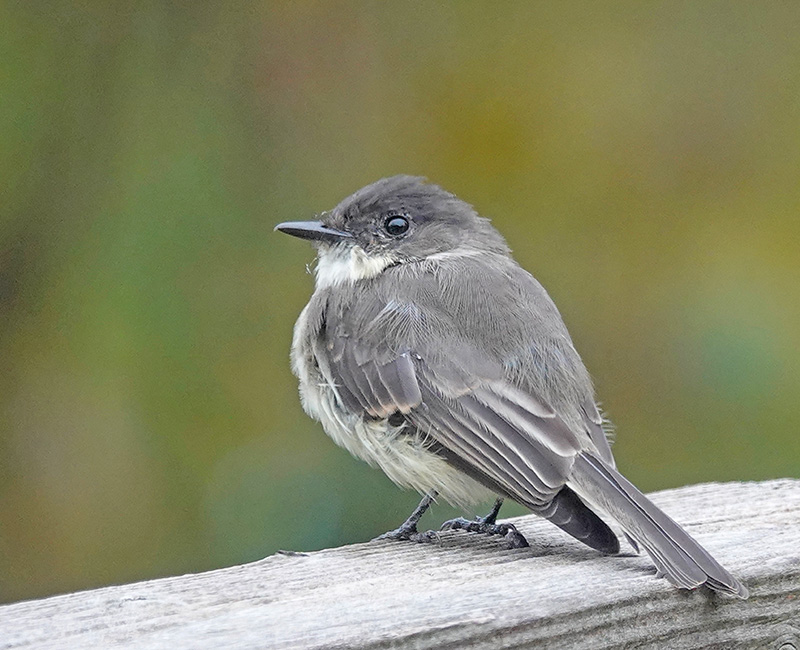
Photo by Al Batt
Leave a Reply