

I was in the back of beyond.
Even though I was somewhere between the tiny towns of Two Bits and North Burlap, I knew I’d find a cemetery or graveyard. Those places that claim they aren’t nowhere, yet can see nowhere from there without using binoculars, often have burial grounds.
A graveyard is typically a smaller burial ground associated with a church, while a cemetery is a larger, separate burial ground not always affiliated with a church. That is the traditional distinction, but the terms are often used interchangeably.
I’ve done radio shows since the days when rocks were soft. A cemetery makes a perfect spot for a radio show — singing birds, rustling trees and limited human noise. Most cemeteries are lovely places that offer peace and quiet, plus the admission is free, having been paid for by the dead. Strangers are welcome at these restful spots, which put things in a proper perspective. I broadcast from various sites: an iceberg, rest area, trail, forest, airport (too many loud announcements), boat, county fair, hotel room, parking lot and birding festival to change things up a bit. However, cemeteries are my favorite remote places to hit the airwaves.
My aunts sent me to hard-to-find rural cemeteries and even-harder-to-find headstones to take rubbings from the gravestones of relatives, and while in Washington, D.C., I was ordered to obtain rubbings of relatives from the Vietnam Memorial. Rubbing a charcoal stick over a piece of rice paper held to an inscription produces a reasonable facsimile. While working in Vienna, I paid respects to many decomposed composers without my aunts requesting rubbings. That kept me from being arrested.
I visit my brother Donald regularly. A bench marks his gravesite and allows people to sit and have a palaver as the wind turbine spins and the grasses bend. I told him a tale from when I was wet behind my ears. I played hide-and-seek in a village called Bath, which had a population of three at one time and has since dwindled to zero.
The reason I played hide-and-seek was that somebody had to, and I’d been invited. The Richardson boys, considerably older than I was, asked if I wanted to join their game.
Did I? Did I ever! Do snakes wear vests? Oops. Wrong idiom.
The Richardsons warned me not to hide in the cemetery, as the skeleton of the winner of Bath’s World Championship Hide-and-Seek Contest of 1939 had recently been found. A Bigfoot had won the previous 20 years straight before retiring undefeated.
I asked a neighbor girl, who refused to take part in a game of hooligans and knuckleheads, if she had any tips for success in the hide-and-seek world. She gave me two words of advice: “Get lost!”
Girls are so smart.
I was being moved up from the grade school team to the varsity. Uffda! I needed to impress the older kids. I scrambled across the street to St. Aidan Cemetery, where I hunkered down and hid behind a treestone with a broken limb. The older boys had told me not to hide there, so they wouldn’t expect me to hide there. There was no way they’d expect the unexpected. I had to live with the burden of being a genius.
I chuckled to myself. It was a nervous chuckle because I was hiding in a cemetery. I chuckled because I knew the seekers wouldn’t find me. I was far too clever.
The night grew dark. And then it grew darker. Still no sign of the seekers. I figured they were busy whistling past, hoping to muster enough courage to enter the cemetery and search for a hider.
Time passed as quickly as if I were carrying a backpack full of bricks up the steep side of Mount Everest. There were mysterious sounds of things going bump in the night.
No one found me, not even the things going bump in the night.
I bumped into more than a few things myself while scurrying out of the cemetery.
Those boys were either terrible at playing hide-and-seek or they hadn’t even tried to find me.
I’m going to go with the latter. They hadn’t bothered to search for me.
I retired undefeated.
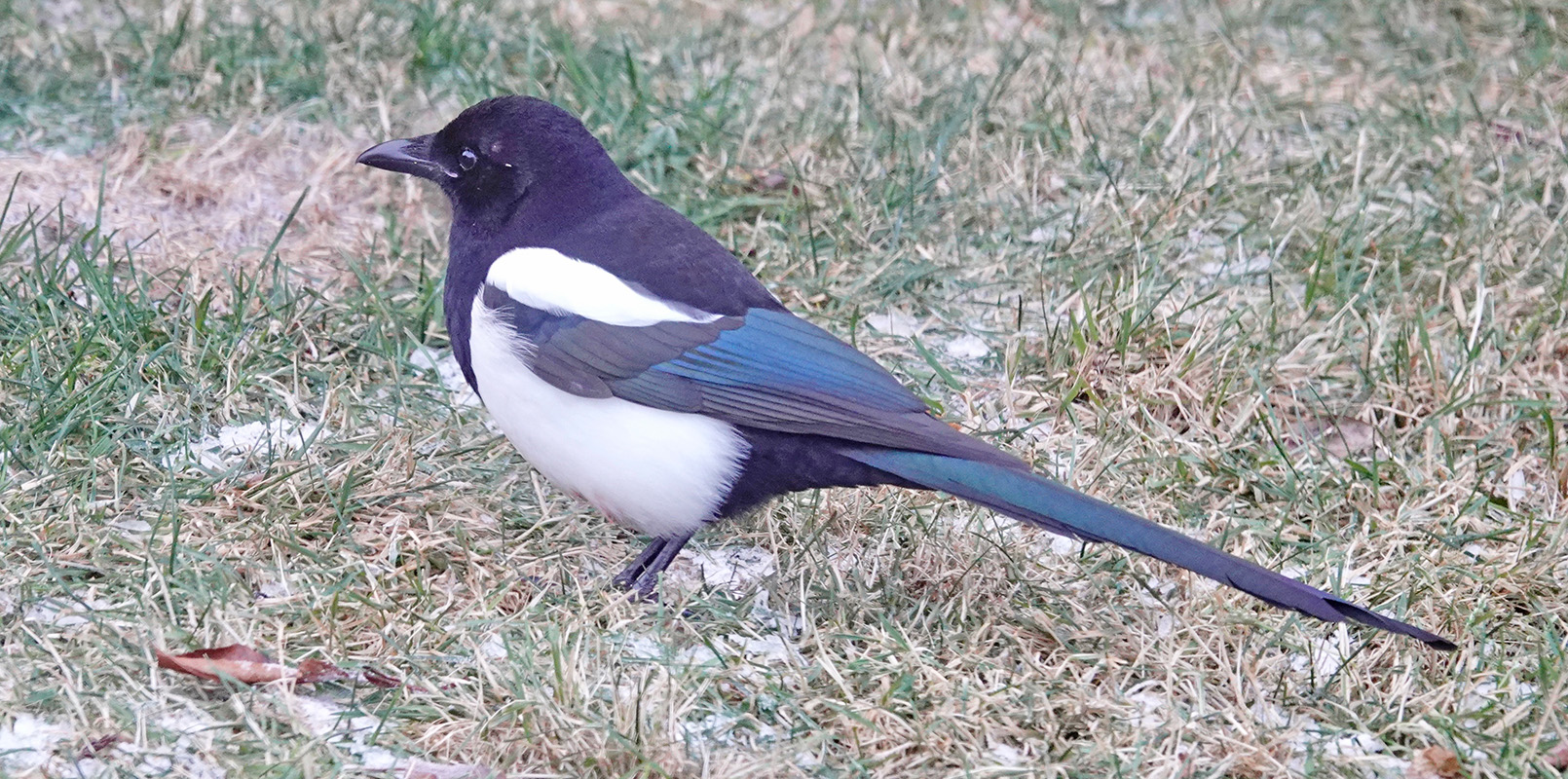
Photo by Al Batt
Leave a Reply