
Scammers and their scams are ubiquitous. They target well-to-do and paycheck-to-paycheck folks. They find you sitting at your computer or standing in line at Target. They learn about you when you apply for Medicare or when you go to a boat show. They are watching Facebook. They can scam you from the next county or from Jamaica. Scammers are good at what they do and they are always coming up with new tactics – helpful, desperate, or intimidating. The people of Fillmore County are hurt far too often and the sheriff’s office wants to do something about it.
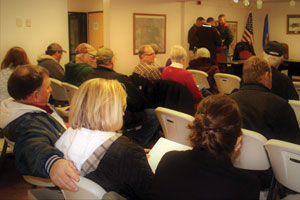
Sheriff John DeGeorge, Captain Phil Whitacre, and Investigator Jesse Grabau reached out to the community, holding an information session about scammers and identity theft to a full house audience at the Lanesboro Community Center on March 6. They emphasized, “When it comes to scams, prevention is the best thing we can do.”
Once the money is gone it’s very hard to get back. The police investigate but often run into dead ends — They track down and talk to a person who looks to be responsible only to find that person had been a victim of identity theft. They locate a scammer who is based in Nigeria and the officials there have “little interest in an American who lost $500,” said Sheriff DeGeorge. “Don’t wait to become a victim. Make the changes that will protect your privacy and safeguard your personal data.”
Captain Whitacre identified scams they commonly see in Fillmore County and noted red flags to look for. Every attendee also received a folder full of tips from the Attorney General’s Office about how to protect identity, how to recognize scams, and what rights exist under the law if you are a victim of a scam. Red flags include:
Prepaid debit cards or wired money
As a general rule, don’t prepay someone, whether they say you’ve won the lottery or that you owe back taxes and you’ll be arrested if you don’t pay now. Sometimes they’ll tell you a relative is in jail, in the hospital or stuck in Canada. Sometimes they’ll say, “Oops, I paid you too much with my cashier’s check, could you just refund the difference?” “Slow down, take a breath and do some checking before you send any money,” said Whitacre. Facts: The IRS, lotteries, and law enforcement agencies will not ask for money over the phone. Cashiers checks and escrow accounts can be faked.
Someone wants remote access to your computer
They may offer to fix a problem or correct inaccurate data. “No matter what reason they give, do not grant remote access,” warned Ericka Austad, Electronic Banking Specialist from Merchant’s Bank of Winona, a guest speaker at the event. “The moment you grant access, everything on your computer is theirs.”
Debt collectors claim you owe money
This may or may not be a scam. It may be an accounting error or a debt owed by someone with a similar name, or you may actually owe money. “Collection firms buy debts for pennies on the dollar and they cast a wide net to collect,” said Captain Whitacre, but he advised, “don’t provide any information by phone.” Collection firms are required to send follow-up information to you by mail. Ask for written information and investigate.
Your eyes don’t provide proof
Spoofing is when a scammer hijacks a legitimate phone number. Just recently, spoofers got access to the county auditor’s number so it showed up on caller ID and it did fool people. “Websites are easy to create. Just because you can find a website doesn’t mean it’s a legitimate company,” Whitacre informed attendees. The sheriff talked about his own experience where a scammer took over his email and, through it, requested that his paycheck be direct deposited into a different bank — in California — and nearly got away with it. Whitacre suggested that when someone is requesting information by phone, email, or post, don’t use the number provided. Look up a number you know to be legitimate and check it out first.
Austad said she works with fraud on a daily basis. You can work with your bank to establish safeguards to your identity and your money. You can set up a privacy code for example. “Anyone can find out your Social Security number, birthdate and mother’s maiden name these days,” she noted. It’s not enough to protect you anymore. You should check your banking activity regularly. If you see charges you didn’t make, call the bank immediately. Also call your bank to let them know when you’re traveling, especially outside the country, or you may find they close your account thinking you’re a victim of fraud. There are monitoring apps you can get and other tools for protection. A third-party app Austad trusts, called “Mint,” tracks activity on your credit report so you notice when something strange is happening. And when you have all your financial information on your phone, the phone itself must be secure. Sheriff DeGeorge added, “If your banker gives you information or advice to prevent fraud, listen!”
This report has only scratched the surface. Many more scam tactics were revealed at the meeting and attendees shared their personal experiences. Do call the sheriff’s office (507-765-3874) if you believe you have been scammed or want to report a potential scammer. “We are not the experts,” said Captain Whitacre, “but we will try to help and provide information. We need to know what’s going on.” Being aware of the most common scams, opening up a conversation about them, and learning how to handle them will minimize the risk of becoming a victim.


Photo by Julie Little