
When you think of county fairs, horses might not be the first thing that comes to mind, unless there’s a rodeo involved. But for many young people in Fillmore County, the 4-H Horse Project is the heart of the fair. Whether you’re a long-time fan of horses or just discovering this part of the fair, here’s why the Fillmore County 4-H Horse Project deserves your attention.
What you see in the show ring at the fair is only a small piece of the story. Preparing for the fair begins months in advance. To understand the program, check out the University of Minnesota Extension website to download the 4-H Horse Project handbook. You should also visit the Fillmore County 4-H Horse Project Facebook page. It’s full of photos that showcase dedication, fun, and teamwork that define this program.
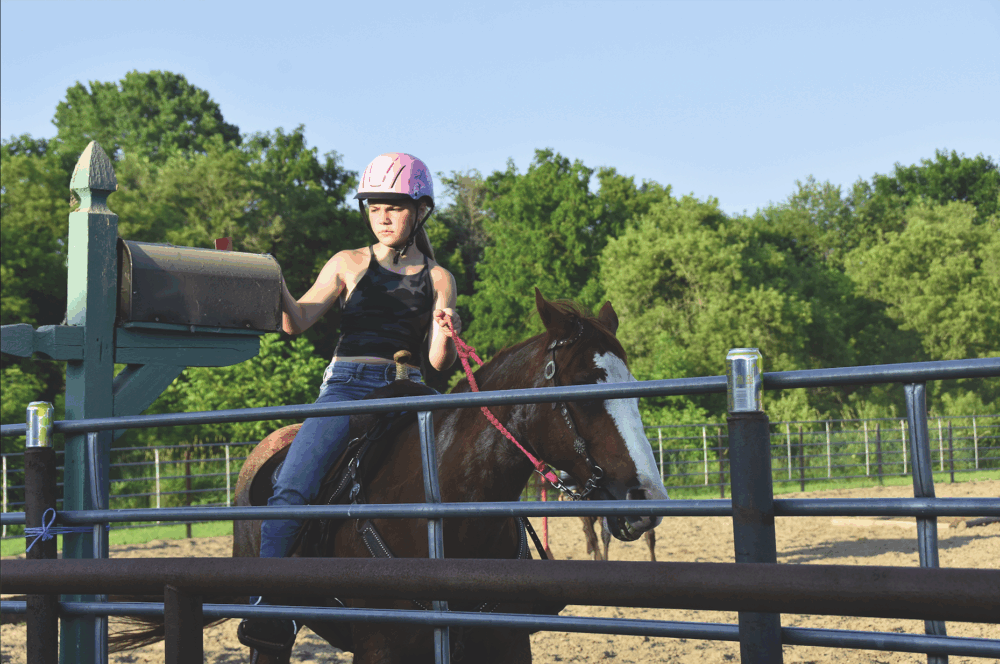
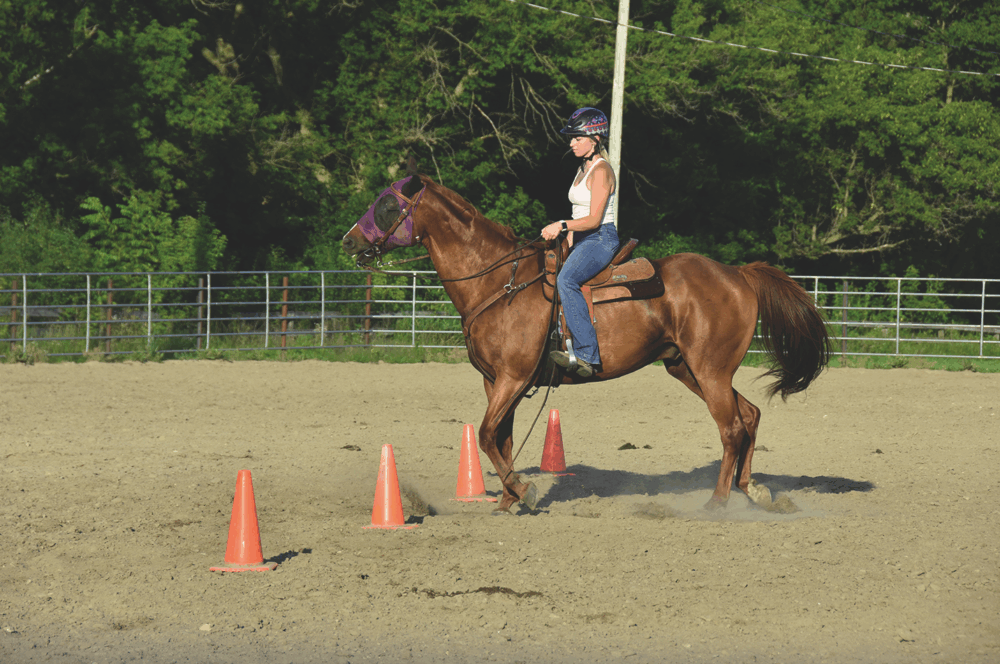
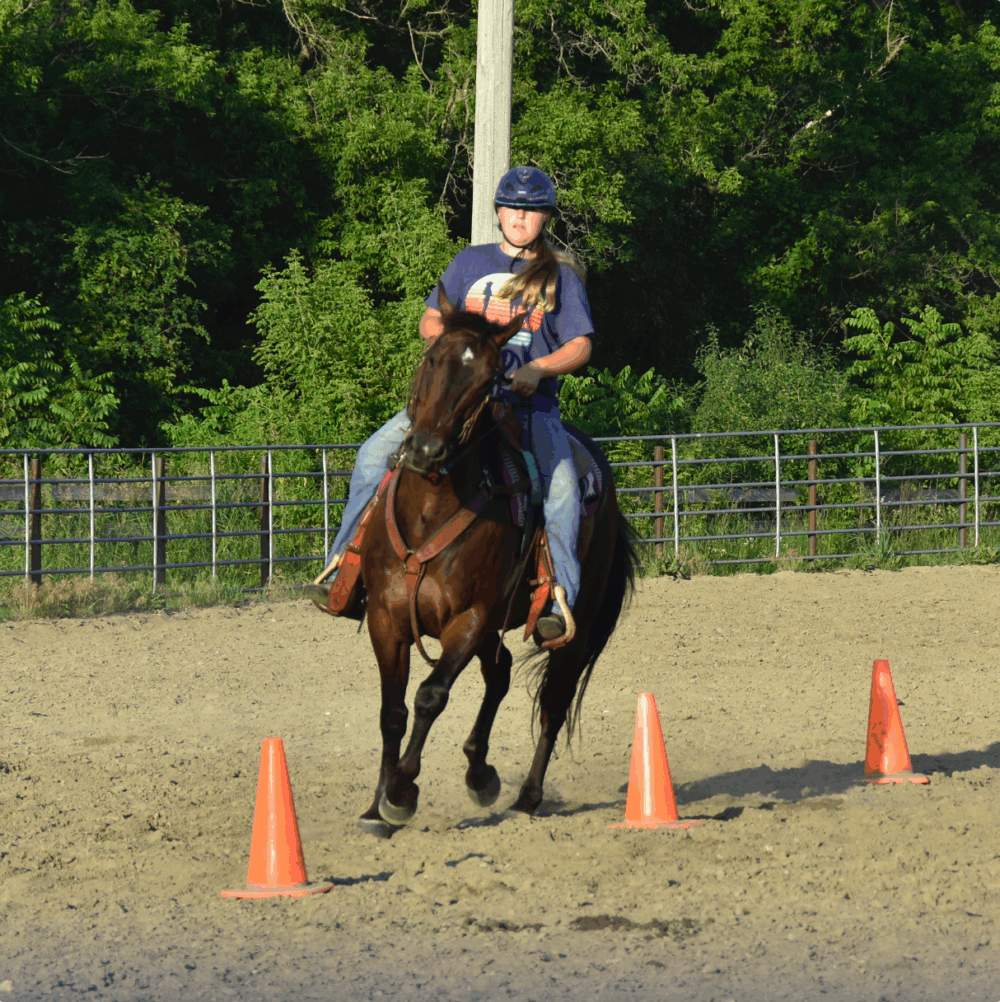
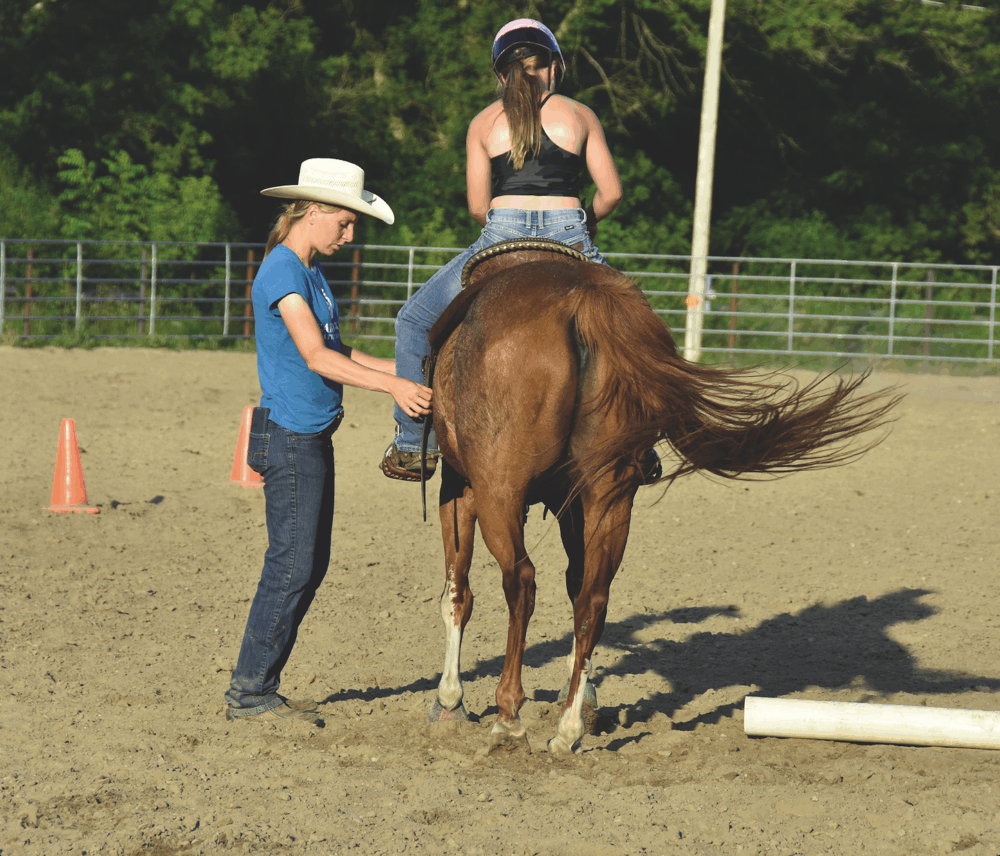
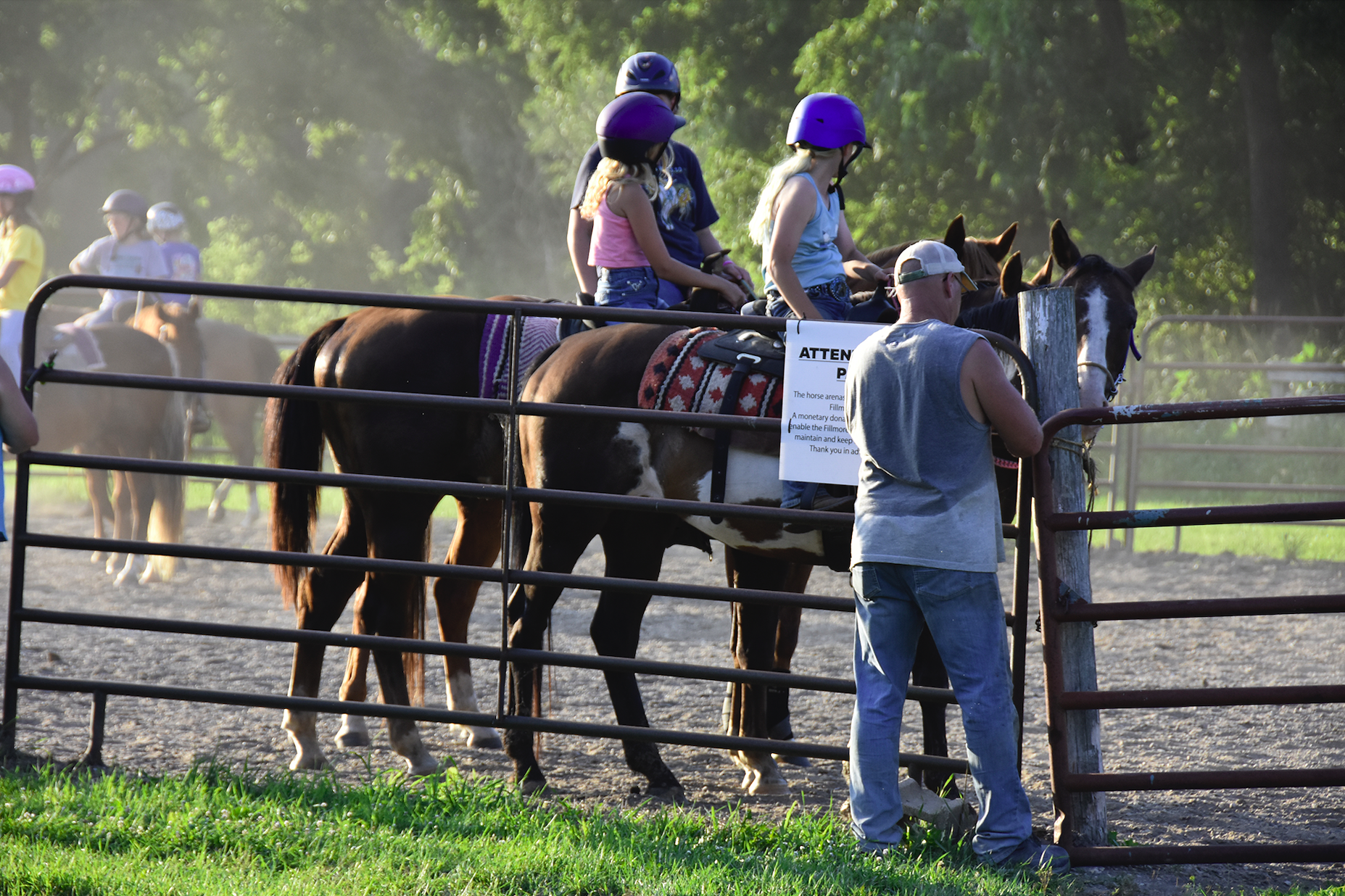
Each spring, a series of free clinics led by a team of dedicated volunteers help 4-Hers build their horsemanship skills and prepare for the county fair. These hands-on sessions cover a wide range of disciplines including Showmanship, Jumping, Figure 8, Trail Riding, Barrels, Pole Weaving, Ranch Riding, Horsemanship, Western Pleasure, English Riding, Ready to Ride, Safety and Control, and Tack Review.
The 2025 clinician team includes Julia Olstad, Kjersta Hinz Skalet, Abby Gastfield, Alesha Sveen, Brandon Freiheit, Theresa Doerr, Madison Winjum, Krista Reese, Jordan Hanson, Jackie Whitacre, Sara Schaefer and Teresa Coyle. Notably, former 4-H club members who successfully completed the program have returned to give back by mentoring the next generation.
These clinics take place from early spring through summer. They are open to all enrolled members of the horse project. They are designed to build skills, confidence, and camaraderie among participants. One clinician, Theresa Doerr, who also serves as a committee member and is part of the Fillmore County Fair Board shared that her motivation comes from a desire to give back to today’s youth, just as adults once supported her during her time in 4-H.
This program isn’t just about riding. Participants also gain lifelong skills in responsibility, empathy, teamwork and leadership. Fundraisers, such as the Drill Team’s tack swap and vendor show during Preston Trout Days, help cover costs and promote teamwork. Support for these events keeps the program going strong and accessible for everyone.
“I love horses,” said 10-year-old Zoey Hershberger from Preston. “One important thing I’ve learned is to keep your emotions down because your horse can feel them.”
And, you don’t need to own a horse to participate! In some cases, horses can be borrowed, making sure every interested youth has the opportunity to be involved. There are also project activities that you can do that do not require horses.
Each January, the project hosts an annual awards banquet and potluck dinner, where both youth and adult officers are elected and awards are presented to honor hard work and achievement. This year’s Horse Project Program Development Committee (PDC) board members include Brook Nagel, Laura Willford, Vicki Musel, Alysha Dahl and Theresa Doerr. Youth members are Sydney Barth, Sam Baker, Prailey Willford, Leena Musel and Lauren Olson.
Leena Musel shared that she began participating in the horse program as a Cloverbud in second grade. Now, after being involved for eight or nine years, she serves as a youth board member of the PDC. Through the program, she said she’s had the opportunity to meet many different people and learn about a wide variety of topics.
There are also programs for younger kids, like the Cloverbuds, which offer age-appropriate activities and introductions to horsemanship. First-year Cloverbud Milton Enright explained that he can only participate “if someone is leading me.”
Additionally, the Challenged Rider Program ensures that all youth, including those with disabilities, have an opportunity to experience the joy and learning that comes from working with horses. Carrie Enright, a parent from Harmony, shared that they have had one 4-Her who used a wheelchair participated in the program with his brother.
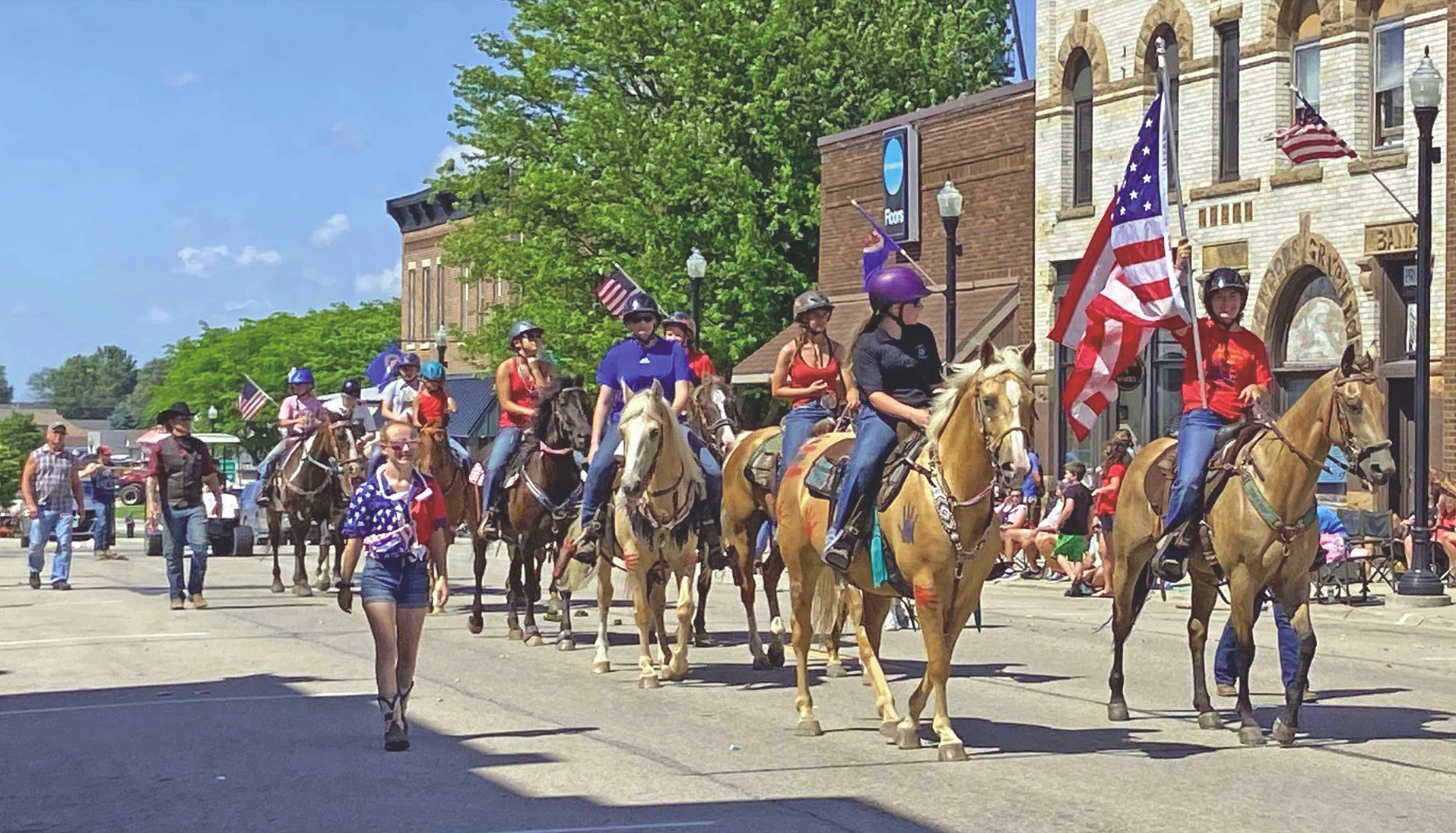
Fillmore County is home to two dedicated drill teams who practice and perform choreographed horseback riding routines. You have seen them in local parades such as the recent Harmony Fourth of July parade. Be sure to watch for them as they proudly carry the USA flag at the beginning of the fair’s rodeo.
For many, the goal is to qualify for the Minnesota State Fair, which requires dedication, strong show results at the county level, and a solid understanding of horsemanship and safety.
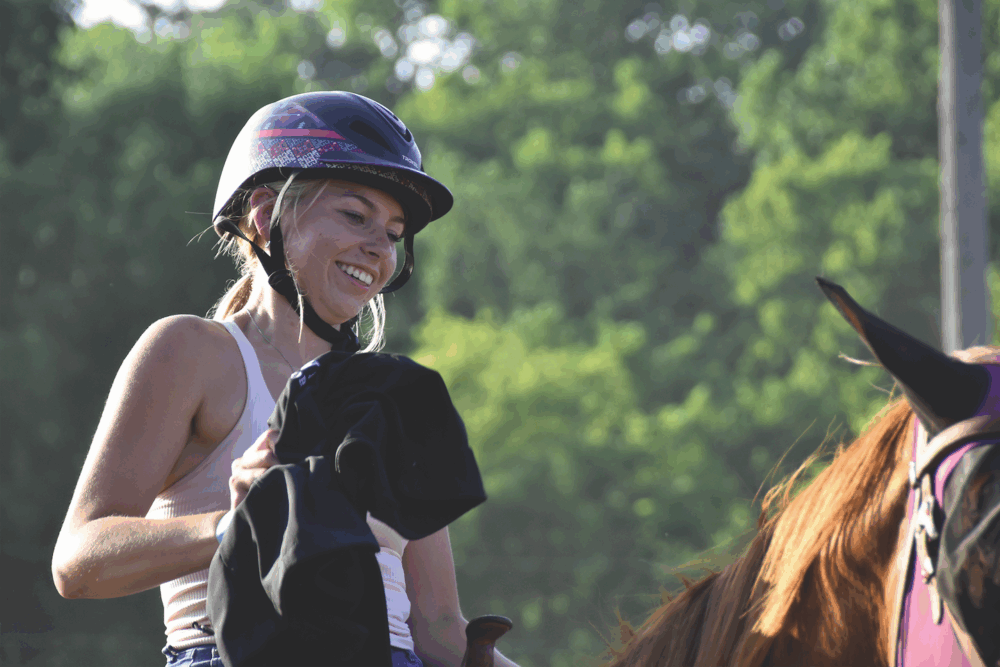
Safety is a top priority. All riders must wear helmets, no exceptions. This reflects 4-H’s commitment to the well-being of its members and animals alike.
Interested in getting involved? Contact the Fillmore County Extension Office or reach out to one of the adult horse project leaders. With opportunities to learn, compete, and grow, plus the chance to make lifelong friendships, the Fillmore County 4-H Horse Project is an unforgettable ride.
So, when you’re at the Fillmore County Fair, please take a minute or two to watch these incredible kids and their horses. Cheer them on. Clap. Smile. Let them know their hard work is noticed and appreciated. After all, every rider in the ring is already a winner.