
Part two of a two-part series
It was not necessarily how well you could hide but more how motionless you could be. That was the operating conclusion of an accomplished turkey tracker, Sumner Sheldon (born 1910), who even as a Houston County schoolboy possessed the patience to pursue turkey hens to their hidden nests. During egg-laying season, his after-school quest was to track down those feathered mothers who refused to cooperate with his mother’s carefully-calculated nesting program.
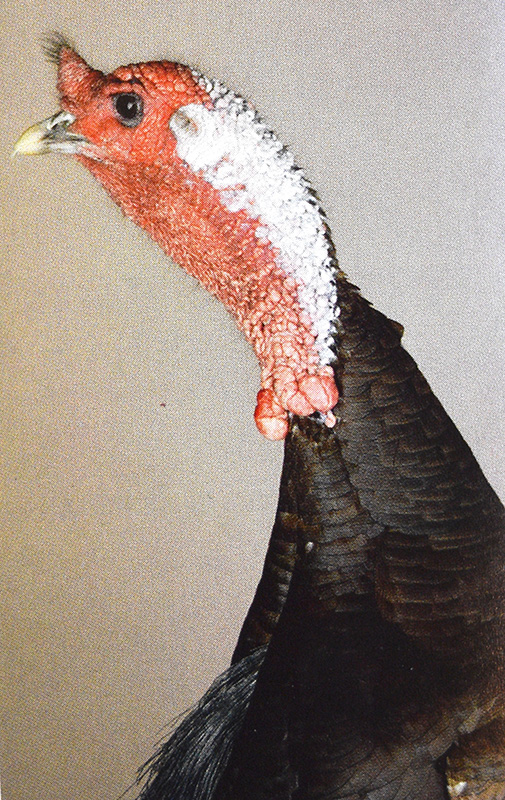
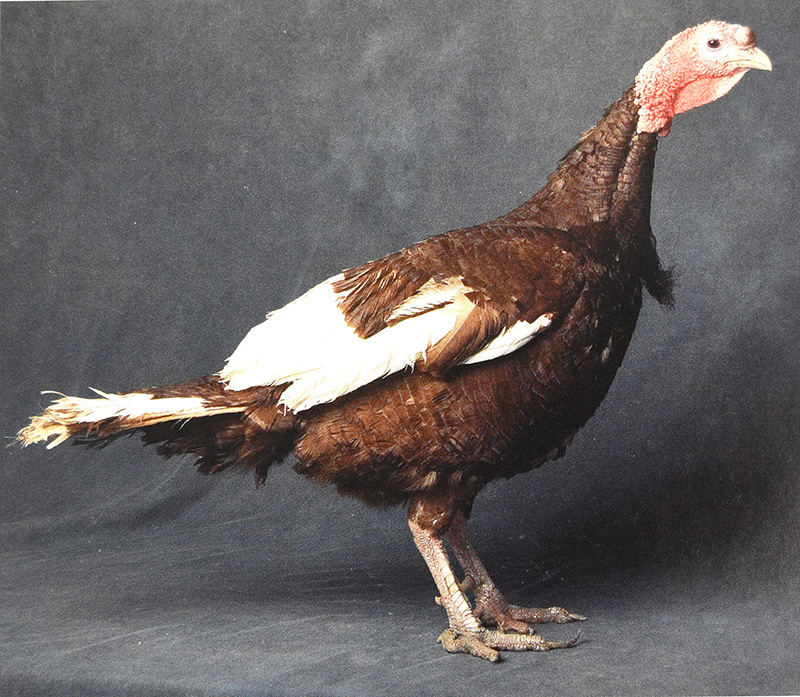
These were domestic Bourbon Red turkeys who resided on the Sheldon family farm. Most of the year, they roosted on large tree limbs on farmyard trees. They flew up to roost at sundown, only to fly down at sunrise to safely wander among the other farm animals.
During summer and autumn, they ate mostly whatever the found as they “ranged the ravine” and meandered over the meadows and grain fields south of the farmhouse. Looking back seven decades later, senior citizen and local historian Sumner said neither he nor anybody else he ever questioned could explain why the turkeys never went north or east of the house.
In late winter, his mother began feeding her turkey hens wheat, corn and oats. However, the hens did not start to lay eggs until they had eaten fresh green grass. Sumner surmised the young grass and worms provided the protein needed for eggs.
Since free-ranging turkeys will cleverly hide their nests. His mother always found someone to help round up the hens and shut them in an old barn. They were fed and watered in the barn where she also placed an assortment of wooden barrels and kegs in hopes they would be used for nesting boxes. The hens were kept inside the barn until late afternoon by which time most of the hens had laid their eggs in the wooden receptacles.
However, there were those hens who delayed egg laying until they were outside the barn and “able to casually drift away from the flock and disappear.” Super-sleuth Sumner was then called in as a nest-finder. After he hurried home from school, his mother was waiting to let the turkeys out of the barn. Mom and son would observe to discern if any hen drifted away from the main flock. Sumner wrote, “With a little practice under mama’s tutelage, I became fairly adept at the turkey watching craft.”
Dedicated but determined hen hunters did have some mechanical assistance. Several supply houses sold turkey bells. “Mama, with the help of some strong person, strapped a turkey bell on a half dozen of her hens, and the bells helped me find some nests.”
Most hens, with nesting ideas of their own, would “slip away into the brushy ravine” south of the farmhouse. Sumner, ahead of a hen, would hide, motionless in the ravine. “If I was lucky, I would see the hen as she sneaked through the weeds, brush and sumac on her way to her nest.” He would remain in hiding, following the bird only with his eyes. Wherever he lost visual sight of the bird on that first day indicated a hiding place where he could lay in wait the next day. After a repeat pursuit on day two, he would again be waiting on day three, hopefully nearer to her nest.
Employing this patience and observing conditions turkeys preferred for nesting, young Sumner claimed to have found several nests and the eggs each year. But there was one especially wily hen, which instead of sneaking through the brush and sumac, took off and flew over the big trees to a nesting site out of sight.
Even after more multiple failures tracking this deceitful fowl, Sumner’s mom was undeterred. She told him, “You hide part way up on the mound where you can see a big area. I’ll let the hen out and follow her, so she will be sure to fly.”
The plan worked to perfection. Sumner saw the hen aloft over the big trees eventually come down in a meadow, in plain sight. After waiting and watching for a short while, she “moved evasively to a patch of briars and sumac. Recognizing that as a turkey’s preference for a nesting spot, the boy hurried home by another route to inform his mom about the success.
However, when mother and son quickly returned to search for the nest, the hen was out in the open meadow, behaving strangely. After only three seconds of observation, Mom said, “That hen is upset. Something is wrong with her nest. Go where you think her nest is and hurry!”
Sumner ran and found the nest right away. But there were no freckled turkey eggs in the nest, just the largest bull snake he ever saw. “Mama was so mad at that snake that she smashed its head with one swing of a long stick.” Noticing three lumps in the snake’s body, she told Sumner to rush home and find a sharp shovel. Five minutes later, she was able to slice the snake in half between the two front lumps. With careful manipulating, she extracted two swallowed eggs in tact, but one egg had collapsed.
Sumner may have been the youngest, but he came to realize he was not the first to lie in wait, attempting to outwit turkeys. Later in life, Sumner recalled reading about Indians who would lie in wait to capture wild turkeys. When an Indian discovered where a well-traveled turkey trail crossed a large fallen tree, he would hide beneath the trunk, ready to reach up and snatch from behind turkeys as they hopped up onto the tree trunk. As Sumner would later learn, it was not necessarily how well you could hide but more how motionless you could be.
Source: “Now and Then” newspaper column by Sumner Sheldon, published April 24, 1986 by the Houston Gazette and Country Journal
Leave a Reply