
 By Lee Epps
Part two of a series
Captain Samuel Bates McIntire (Cap’n Mac), who came to what would become Houston County in 1852 at the age of 14, prefaced each published portion of his 1901 historical memoir with a poem.
As toward our future home
we glide,
Wild bluffs frown down on either side,
And tell of countless ages gone,
Since when they first beheld
the dawn.
On the same day that Mrs. McIntire and two children had arrived in Brownsville, where they were met by Mr. McIntire, the family departed for the Yucatan Valley, which was about 20 miles away “in a bee line,” but by the most traveled road, was nearly a 30-mile trek. A two-horse rig was hired, loaded soon with “some provisions and some cheap furniture, headed for a log hotel, called the “seven by nine” due to its limited dimensions, which awaited about six or eight miles west of Brownsville in a “narrow lonesome valley” on the part of the Territorial Road between Brownsville and Caledonia.
Their load was heavy; the hills were steep and the road was not heavily traveled. Therefore they did not reach the hotel until near sundown. Pulling up in front of what he termed “a curious edifice,” they were quickly met by the landlord, his wife and about a dozen guests, men and women, “hatless and coatless,” all of whom emerged carefully through a narrow and low front door, being careful not to bump their heads.
Young Sam called it a famous hotel but also termed it a “poor excuse for a hotel.” It was a small structure but was closer to 12 by 14 feet rather than its name seven by nine. There was one room below and a sleeping loft above with a square opening on one gabled end, accessible only by an “old rickety ladder.”
When they asked if there were accommodations available for the night, including supper and breakfast, the landlord assured them there was plenty of room and plenty of food.
While the landlord helped the driver with the horses, the landlady led the party into the house. There was a cooking stove in the corner with the fire “roaring like a locomotive stalled in a snow drift.“ The warmth was enough to send some back outside into the cool air.
The furnishings were rustic, consisting of a couple of chairs, a few stools and homemade benches plus a bedstead that could be raised on end against the wall.
The greatest attribute was the excellent cooking of the landlady. Supper was soon ready, and all ate heartily. To young Sam, a meal had never tasted better. There were more diners than places at the table, so some substituted their laps.
By bedtime, the fire in the cooking stove was low. Twenty-two persons slept that night in that small house, all retiring at the same time, women on the main floor and males above in the loft. Even when the days could be warm during that era, the nights were cool, often chilly and dews heavy. So, despite the men in the loft being “packed away like sardines, not a grumble was heard.” Sam and another youth slept with their feet hanging out the entry hole. “I never slept sounder or awoke more refreshed, and to crown the whole business we were all as happy as a lark, friends from the moment we met, falling into the customs of the country as easily as rolling off a log.
Public domain photo
O’er hills and thro’ the
lowlands fair,
We break the sleep of
nature there,
With bold, and ruthless
tread, intrude
Upon that lonely solitude
Morning brought “a good square breakfast,” and then the horses were hitched again to the McIntire wagon. Just before the journey resumed, there were handshakes all around, “a custom on parting then and now in vogue in the West no matter how brief the acquaintance.”
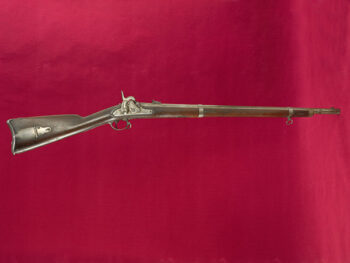
Sam’s father had just gifted his son a rifle, a muzzleloader plus ammunition. When the procession stalled a few times, Sam got off the wagon and tried his luck on the game that “swarmed” along the way. He was disappointed with his lack of success, not even wounding, much less killing a single fowl, despite firing away as quickly as he could load.
Back on the wagon, it was especially galling when the driver advised him to practice his marksmanship or the wolves in the valley might catch him off guard and make a meal of him. Sam replied that if the team of horses did not progress more speedily, they would never make it to the valley and the wolves would be “out of a job.”
The perturbed driver retorted that Sam was big enough and strong enough to walk and thereby “save the horses the weight of his carcass.” Sam reminded the drive that his passage was paid for. The back-and-forth battle of angry barbs did not end amicably, but Sam later regretted having been “so saucy” to an adult.
Sam, with a few later hunting lessons, would improve his marksmanship. Later, as a Civil War soldier, Sam realized that youth of the West made the best soldiers due to their expertise with a firearm.
Lads from the East, as he had once been, were lacking in shooting experience. Game in the East was no longer as plentiful as it had once been, and hunting was no longer as necessary for males to provide meat for the family. Young men there had turned to other sports for recreation.
Cap’n Mac praised the marksmanship exhibited in turkey shoots, sporting competitions where the winner could be proud of his skill as well as the number of turkeys he earned.
Early Yucatan hunters who ventured east into Wisconsin might encounter “hunters fresh from the city,” who often lacked the skill to “wing” a single deer, and lest they be laughed at should they return home minus a piece of venison, purchase an animal from some more fortunate hunter, divide the purchase and thus save their bacon.”
Source: “The Yucatan Valley In the Early Day by One Then There” by Captain Samuel Bates McIntire, 1901, originally published serially by the Houston Valley Signal.
Leave a Reply