

By Bretta Grabau
Fillmore County
Historical Society
On October 5, 1930, the communists swept through Henan province, taking Kristofer Tvedt captive in Luoshan. At that time, Clara (Sethre) and their children were in another part of the country. Their friend Rev. Bert Nelson was also taken. At first Bert told his family he was well treated, while villagers were murdered, beaten, and more.
By October 24, Consulate General Lockhart at Hankow sent a message to the American Secretary of State sharing a message from Kristofer. He requested $400,000 for his release and the release of another missionary, Miss Bergliot Evenson. The next day Evenson was released. Eventually Kristofer and Bert were grouped together.
The ransom demanded from the communists varied. Amounts ranged from $2,000 to $30,000 and beyond. Other ransoms were successful for $4,000 and $7,000. A November 28 letter from the men mentioned decreasing living conditions, especially since they wore summer clothes. Lockhart discussed the situation with the Chinese government General Ho Chen-Chun. One suggestion was capturing and exchanging several communist leaders for the missionaries.
Over the next few months, trusted acquaintances of the two captives attempted delivering the ransom to the communists, but they were rebuffed several times due to military action. Again ransom changed from simply cash amounts to include medicines. The fair treatment didn’t last. The men were tied, beaten with bamboo poles, forced to walk barefoot across harsh terrain, and never allowed to bathe.
Finally, after six months of captivity, one man was released for the amount of $6,500 on April 7, 1931 – the family man, Kristofer. By April 21, he arrived in Hankow and was reunited with his anxious family, looking 20 years older.
Even though Kristofer was freed, danger for foreigners and missionaries in China remained high. Abductions and negotiations for ransoms continued. Bert remained behind. Kristofer wrote his story, publishing a book called “In Captivity.”
Kristofer’s book was sold all over the country, likely within Fillmore County since Kristofer had ties to St. Paul and his wife’s family lived in the rural Lanesboro area. As told to me, the books were sold for $1 per copy. Profits went toward ransoms.
After 28 years, Clara and Kristofer moved to Washington state until his death in 1963. Clara returned to Minnesota, though her kids lived all over the country, with one back in Norway. She had a couple of brothers still living in Preston and Red Wing when she died in 1977. She was buried in the Sethre family plot in Elstad Lutheran Cemetery.
But there is one more important part of this story. What happened to Bert Nelson? When Kristofer had been released, Lockhart deemed it unwise to send the full amount of money. Upon confirmation of Kristofer’s return, the remainder of the money was to be sent. But by then, the ransom demands changed again. Lists of items were demanded in addition to medicines and money, now $10,000 for a single man. The abductors promised to release Bert upon receipt of all the demands.
Months passed. On June 11, Bert wrote a letter stating the brigands decided to “keep me in here as an English teacher.” Lockhart noted the negotiator, Dr. Skinsnes, believed “perhaps the list is made so complicated because they really do not want to let Nelson go.” $10,000 was delivered in October 1931, but he was not released. In February, the new consul general, Adams, believed Bert would be released in three months. This also did not happen. In September 1932 a minister to China named Johnson based in Peiping was informed Bert was seen in good health. However, Adams received a report that Bert was probably “killed by the Reds August 21.” In October, newspapers across the United States and Australia reported Bert’s death, likely by execution.
Rumors filtered to Peiping that a sick white foreigner identified as Bert Nelson was carried across a railway on October 3, 1932. The Chinese maintained Bert was alive on December 2, 1932. However, most believed this false. He was never seen again, nor was his body ever found.
The position of these two men could easily have been switched. The fact that Kristofer had children and Bert did not may have been the determining factor for Kristofer’s release. Though this story does not directly tie in to Fillmore County, one family felt its drama and horror acutely.
Sources: Madera Tribune, October 5, 1931; Papers relating to the Foreign Relations of the United States, 1930, Volume II; Papers relating to the Foreign Relations of the United States, 1931, The Far East, Volume III; Foreign Relations of the United States, Diplomatic Papers, 1932, The Far East, Volume IV; Foreign Relations of the United States, Diplomatic Papers, 1933, The Far East, Volume, III; China’s Book of Martyrs, Paul Hattaway, 1996; CHINA: Kidnapping Notes | TIME
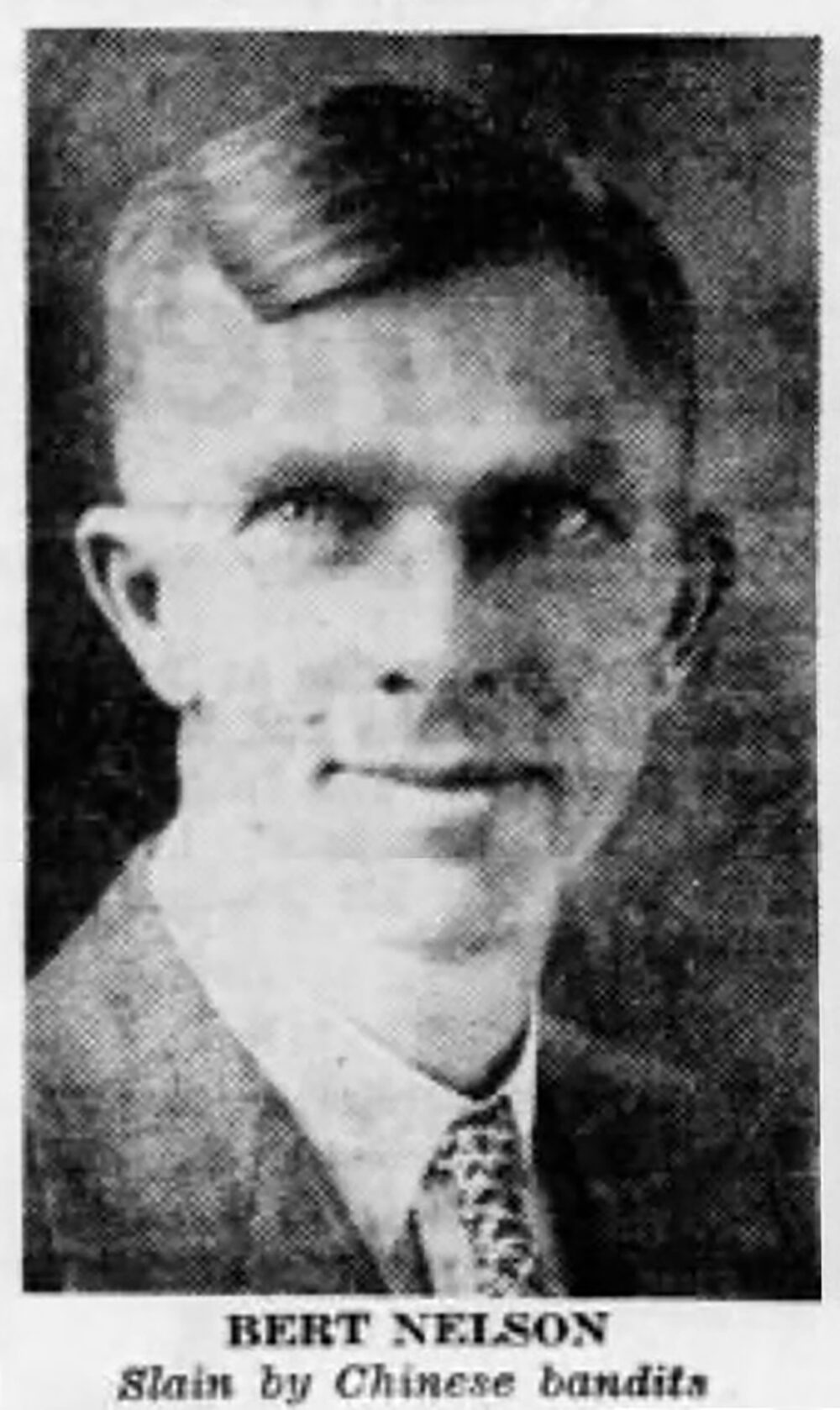
Courtesy of readingrambos
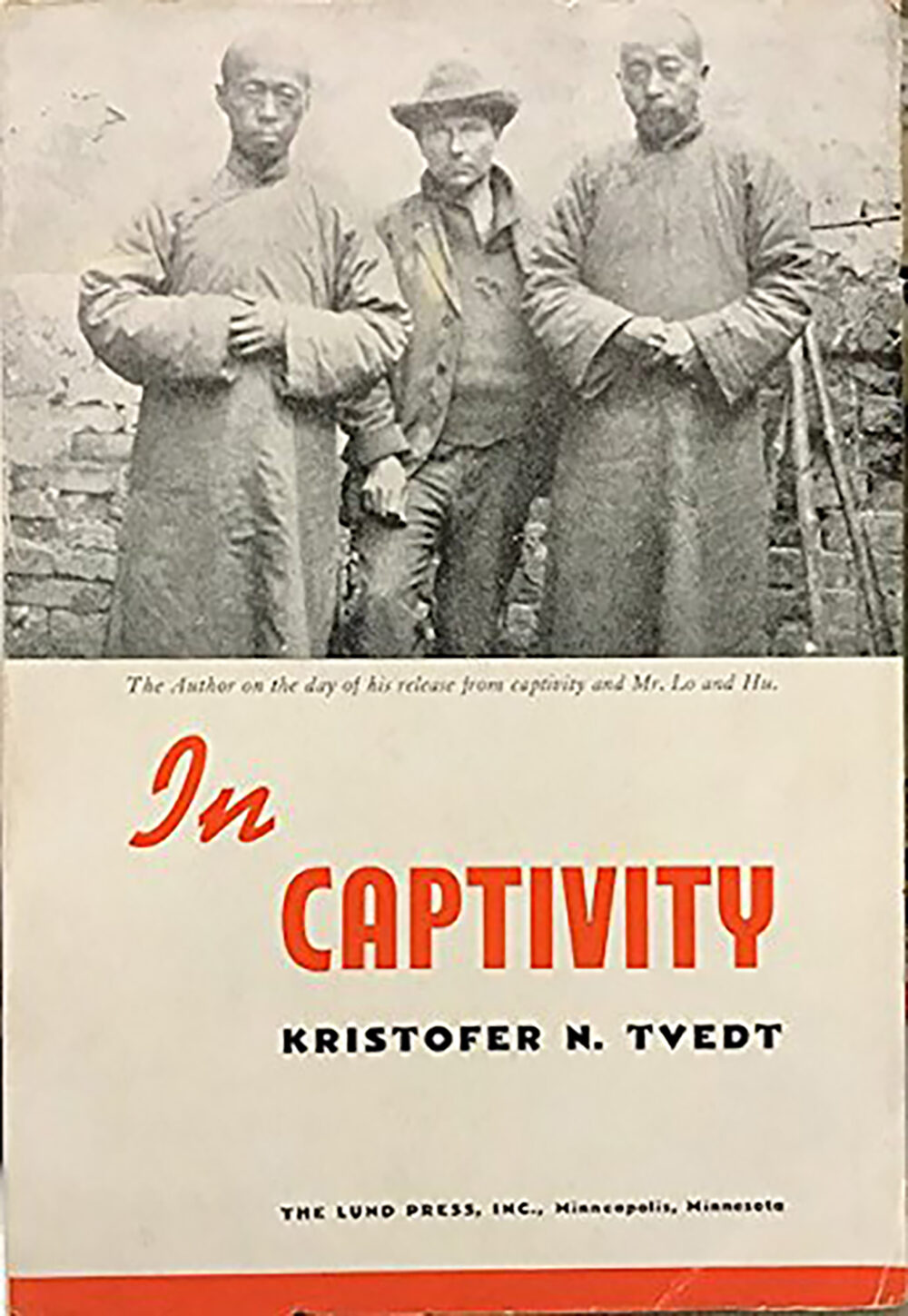
Photo submitted
Leave a Reply