By Nancy Snyder and Sally Ryman
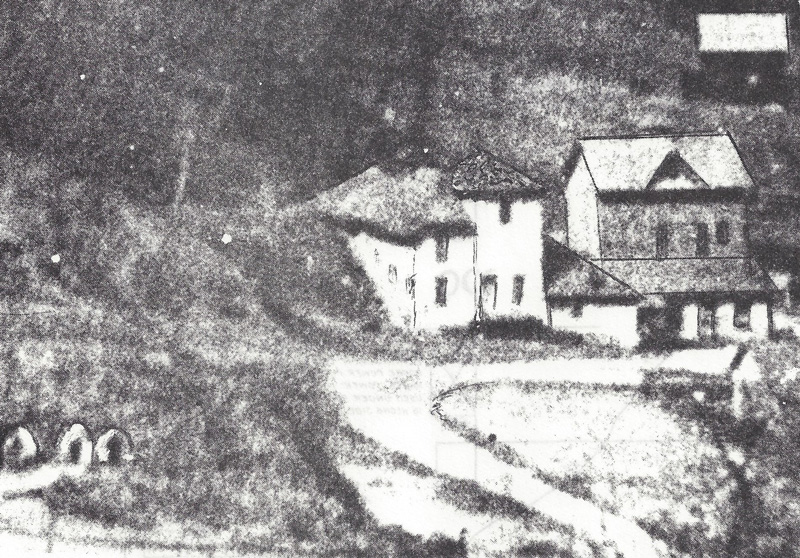
The Rushford Brewery was built in 1867, changing hands a few times before being purchased in 1875 by Jacob Pfeiffer. The brewery could produce up to 10 barrels of beer per day.
Pfeiffer brewed beer for the saloons in north and south Rushford and other “outside markets.” There were at least 13 saloons in Rushford prior to prohibition. Jacob would deliver his brew to local saloons in his wagon, accompanied by his faithful dog.
The kegs of beer were sealed shut with rosin, which local children would pick off for chewing gum.
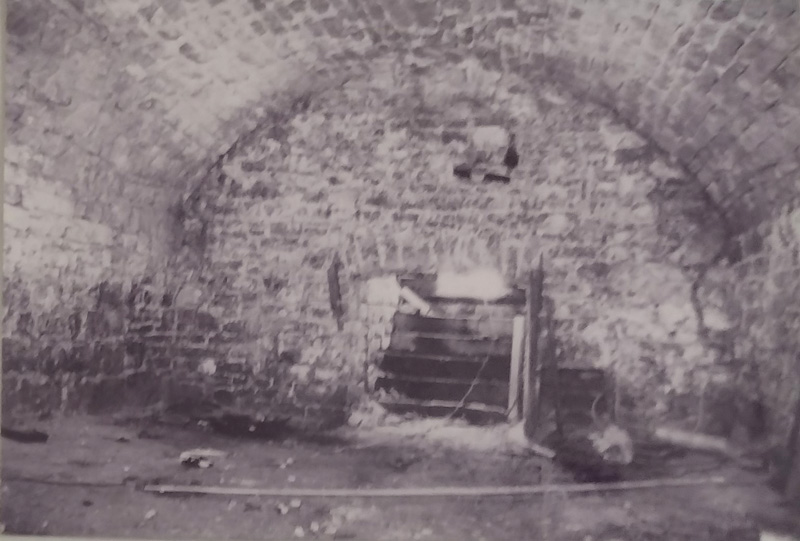
The aging cellar was constructed in a unique way using stacked stone forming a dome, devoid of mortar and covered with earth. The brewery and main aging cellar were located at 303 N. Elm Street and had cooling cellars dug into the hillside.
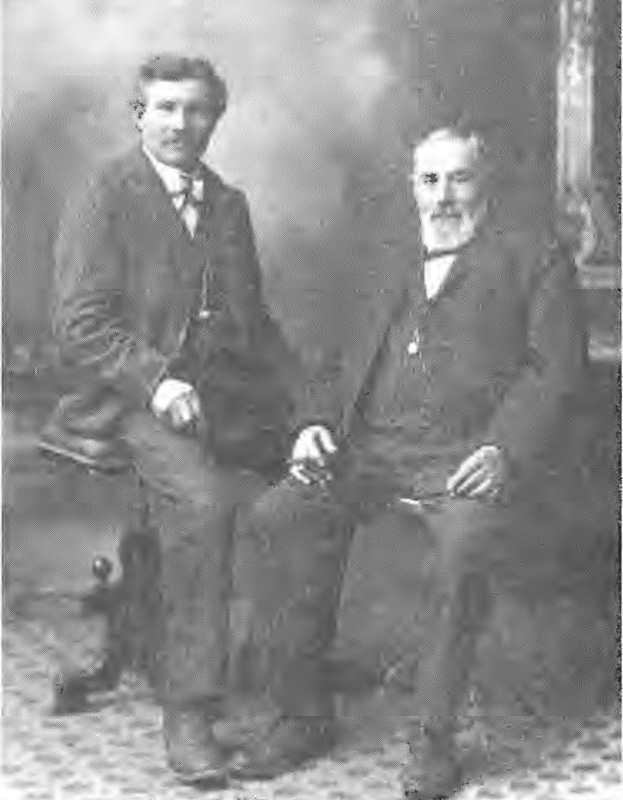
Jacob Pfeiffer’s son John suffered a horrible death after falling into a vat of boiling water at the brewery. His high boots made escape from the scalding water difficult, and he died within 10 hours after the accident. After John’s death, Jacob (then age 78) tried to operate the brewery, but he passed away the following year due to complications from a gall stone operation. The brewery property changed hands several times before finally closing in 1909.

The building was eventually purchased by Ole Bratland who, after tearing it down, reused the lumber in for a residence. The arched stone cellar was left intact, being used for storage of butter, eggs, and other perishables.
The city of Rushford followed the nation in respect to banning the sale of liquor during the days of Prohibition. In response, on May 1, 1891, the city of Rushford changed from licensed liquor to prohibition without any apparent friction. But only a few months had passed before a group of innovative and resourceful men circumvented the “dry” edict of the city by forming the Rushford Literary and Social Club on June 20. The meetings were held the first Monday each month in rooms under Nelson’s Hall (old Opera House, 108 W. Jessie St.). For $50 per month, Mr. Nelson provided the meeting space. After the first meeting the members decided that they were having such a grand time that they gathered every Monday evening. If the purpose of the club was to improve the literary attributes and social bearing of its membership, one would have to conclude from the meeting minutes that the club emphasized food and drink more than the literary. At the July 20 meeting, bills were approved for 400 cigars, 1,000 cigars, 13 cases of beer, one case of gin, 10 gallons of alcohol, 10 gallons of brandy, 31-1/8 kegs of beer, one barrel Finn Hill Whisky. A motion was also passed that the club steward procure ginger ale, mustard, birch beer, pop, sardines, salt, lemons, boiled ham, dried beef, limburger cheese, bologna sausage, rye bread, butter, plates, anchovies, vinegar, crackers, sugar and utensils.
By April 1892, city voters declared Rushford “wet.” Prohibition was over.
Excerpts and reference material from: Dr. Alden Droivold’s History of Rushford Volume III “Whiskey, Wheat and Wagons”