
By Erin Boettcher
Farm Biologist
Habitat quality plays a critical role in the health of wildlife populations, and southeastern Minnesota is no exception. Pollinators such as butterflies, bees, and other insects rely on a steady supply of food and shelter throughout the growing season. Among these pollinators, the monarch butterfly has become a well-known indicator of broader habitat challenges and opportunities for improvement.
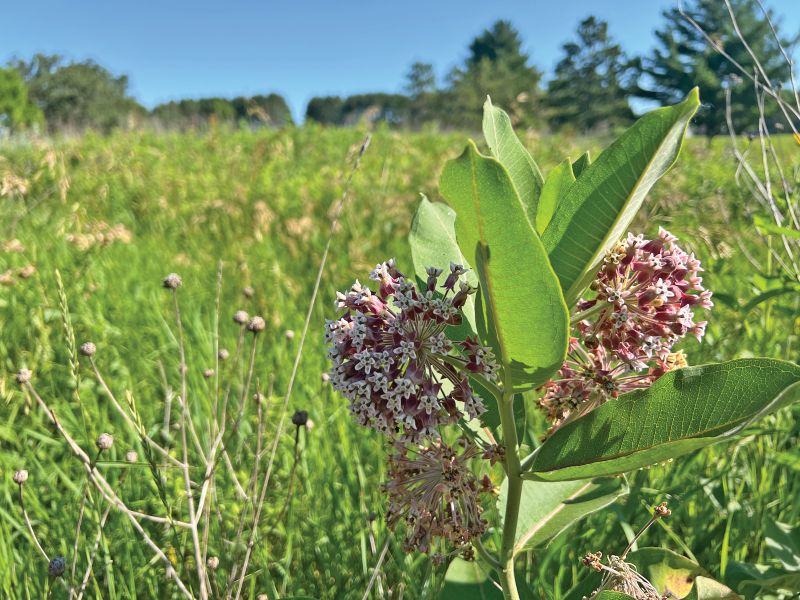
Monarchs have a unique and well-known relationship with milkweed. Milkweed plants are the only food source for monarch caterpillars, therefore, without milkweed, monarchs cannot reproduce. While adult monarchs visit a variety of wildflowers for nectar, they will only lay their eggs on milkweed species. This makes milkweed not just important, but essential for monarch populations.
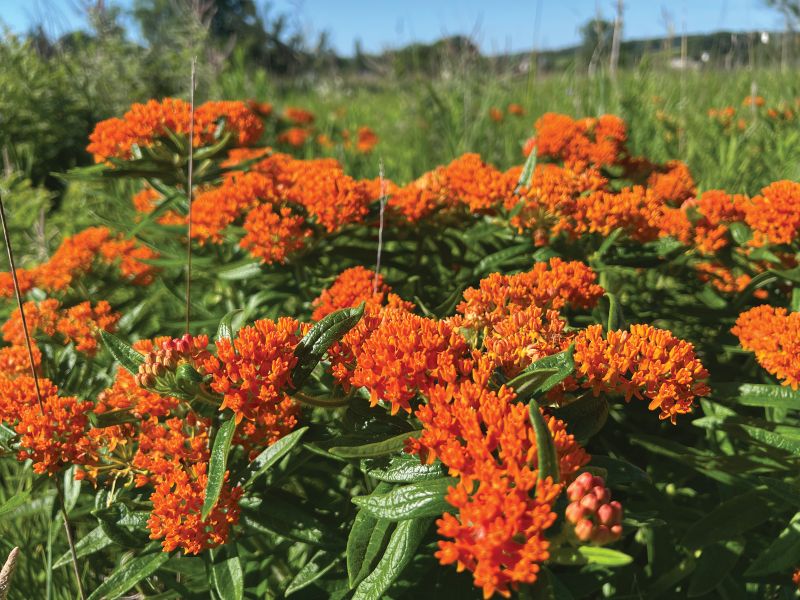
Native milkweeds evolved here alongside monarchs and other pollinators. Species such as common milkweed (Asclepias syriaca), butterfly milkweed (Asclepias tuberosa), whorled milkweed (Asclepias verticillata), and swamp milkweed (Asclepias incarnata), historically occurred in prairies and wetlands across the state. They, like many other native perennial plants, have deep root systems that help improve soil health, increase water filtration, and can withstand drought.
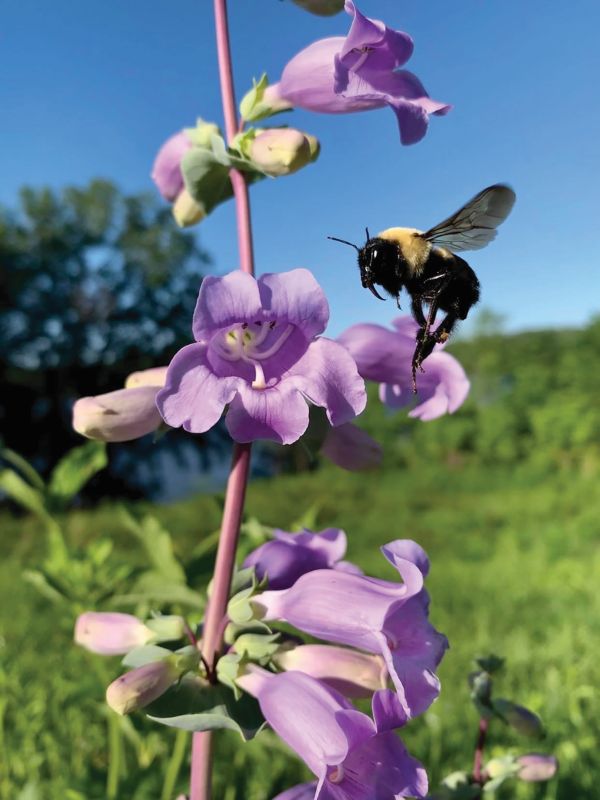
While milkweed is essential, it is only one piece of a larger habitat puzzle. Pollinators require flowering plants that provide nectar and pollen from early spring through late fall. In early spring, blooming plants, including large-flowered beardtongue (Penstemon grandiflorus), foxglove beardtongue (Penstemon digitalis) and golden alexanders (Zizia spp.) support native bees and other insects emerging from winter dormancy. Summer flowers coincide with peak pollinator activity, while fall-blooming plants such as goldenrods (Solidago spp.) and New England aster (Symphyotrichum novae-angliae) are especially important for monarchs preparing for migration and for bees storing energy before winter.
A diverse mix of flowering plants is key. Different pollinators are attracted to different flower shapes, colors, and bloom times. Native plants are particularly beneficial because they tend to support more insect species than non-native ornamental species. Using a variety of native grasses, wildflowers, and flowering shrubs provides critical food and shelter for pollinators.
Habitat improvement does not require large tracts of land. A small garden, a field edge, a restored prairie planting, or even reduced mowing can provide meaningful benefits for pollinators. When these efforts are repeated across the landscape, they add up and create meaningful change.
By planting milkweed and increasing floral diversity, southeastern Minnesota can continue to be a place where monarchs, pollinators, and the birds that rely on them, find what they need to survive. Healthy habitat supports healthy ecosystems which have lasting benefits for all of us. If you are interested in learning more about how to create or enhance pollinator and wildlife habitat on your property, contact your local SWCD office for technical assistance.
Leave a Reply