
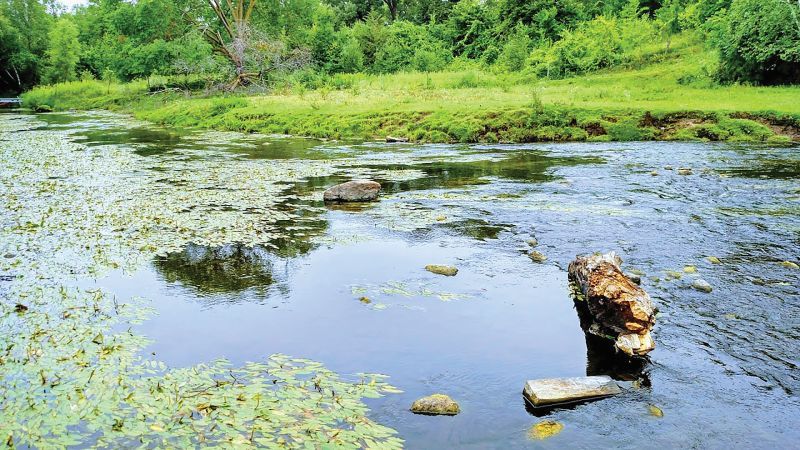
Photo submitted
By Aaren Mathison
Conservation Technician
Many people have historically viewed wetlands as wastelands, believing the only productive use for them was to drain or fill them so the land could be developed or used for production. In reality, wetlands are highly productive and diverse ecosystems that help control erosion, improve water quality, and provide habitat for at least one-third of all threatened and endangered species.
Wetlands are land areas that are covered by water or have water present near the surface year-round or for varying periods during the growing season. The soils in these areas support a wide variety of plants, animals, and microorganisms that thrive in wet environments, which are typically low in oxygen. This unique ecosystem – along with adjacent riparian vegetation – plays a critical role in stabilizing soil, filtering pollutants from surface and groundwater, reducing flooding, and providing wildlife habitat. The higher the quality of a wetland community, the more effectively it can function to improve the environment.
Unfortunately, many wetland areas have been compromised and no longer function as they should. According to the U.S. Fish and Wildlife Service, more than half of the original wetlands present before European settlement have been destroyed. In response, federal, state, and local governments have established rules and regulations to help preserve the value, acreage, and functions of remaining wetlands. To ensure compliance with the Minnesota Wetland Conservation Act, or to improve the environmental benefits of wetlands on your property, contact the Fillmore County Land Use Department at (507) 765-3325.
Leave a Reply