
Photo by Wanda Hanson
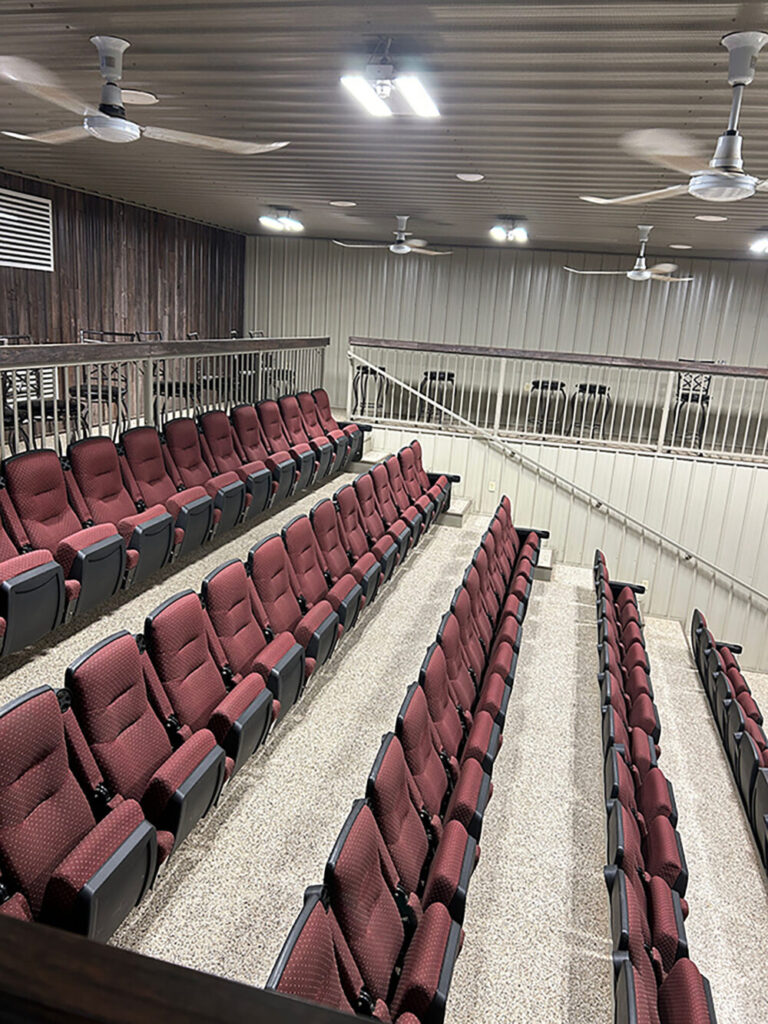
Photo by Wanda Hanson
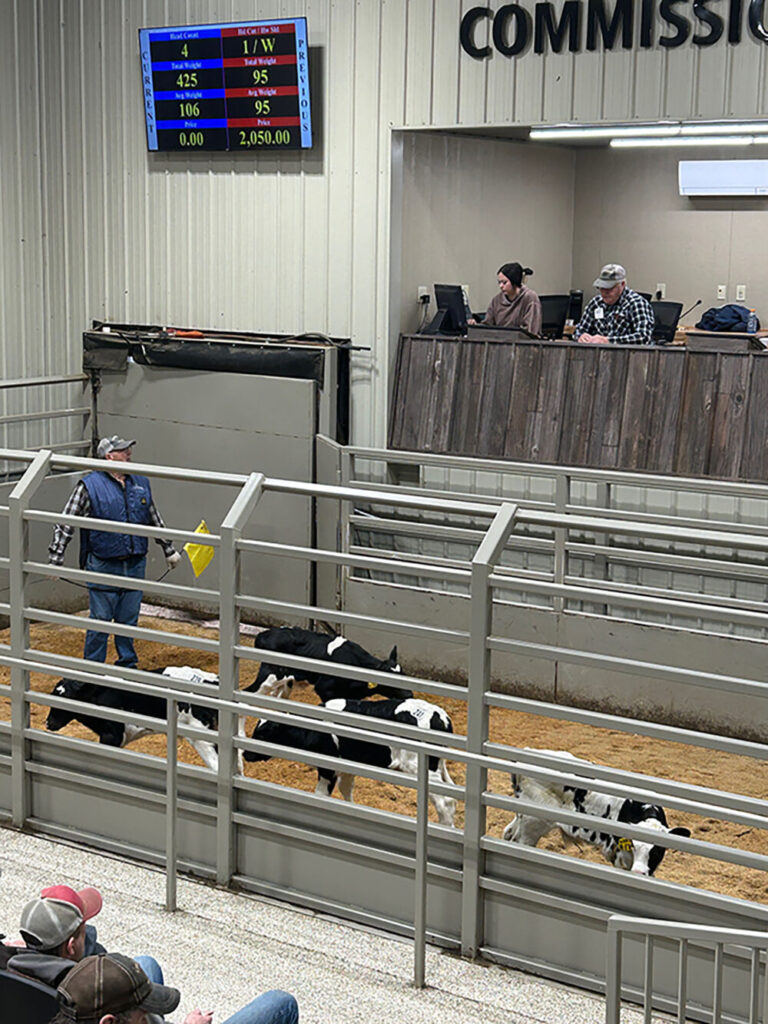
Photo by Wanda Hanson
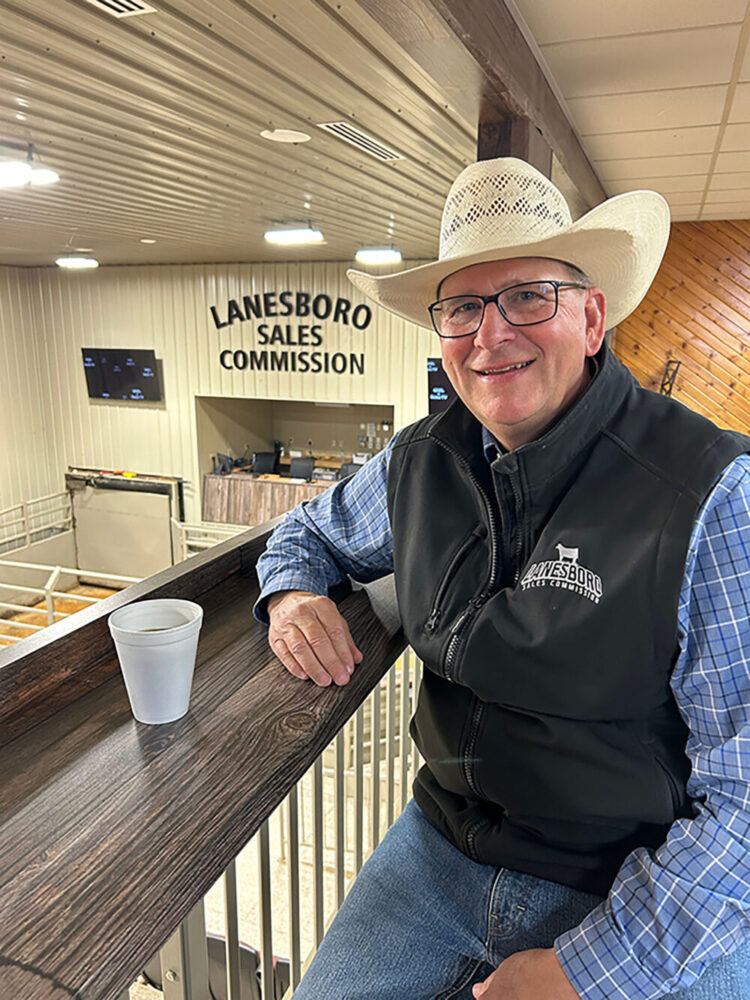
According to Joe Nelson, beef prices in all classes at the Lanesboro Sales Commission have seen an increase to levels not seen before. This past week, one of the cattle weighing 1,600 pounds brought $2.585 per pound for a total sale price of $4,136 – an all time high! Nelson commented that not long ago $2 a pound was considered a good deal! Market cows also had an all-time high; a 1,900 pound cow brought $1.91 a pound. Not long ago $1 a pound was an extreme price.
Average prices lately have been $3,400 to $3,900 for cattle with $2,000 to $3,000 for market cows. Baby calves are also at an all-time high. Recently prices were topping at $2,300.
Two years ago, Joe had commented that livestock auctions give the true value of the animal’s worth. He still feels this is “very much so!” and feels the increase in prices is just “catching up to what the times are.”
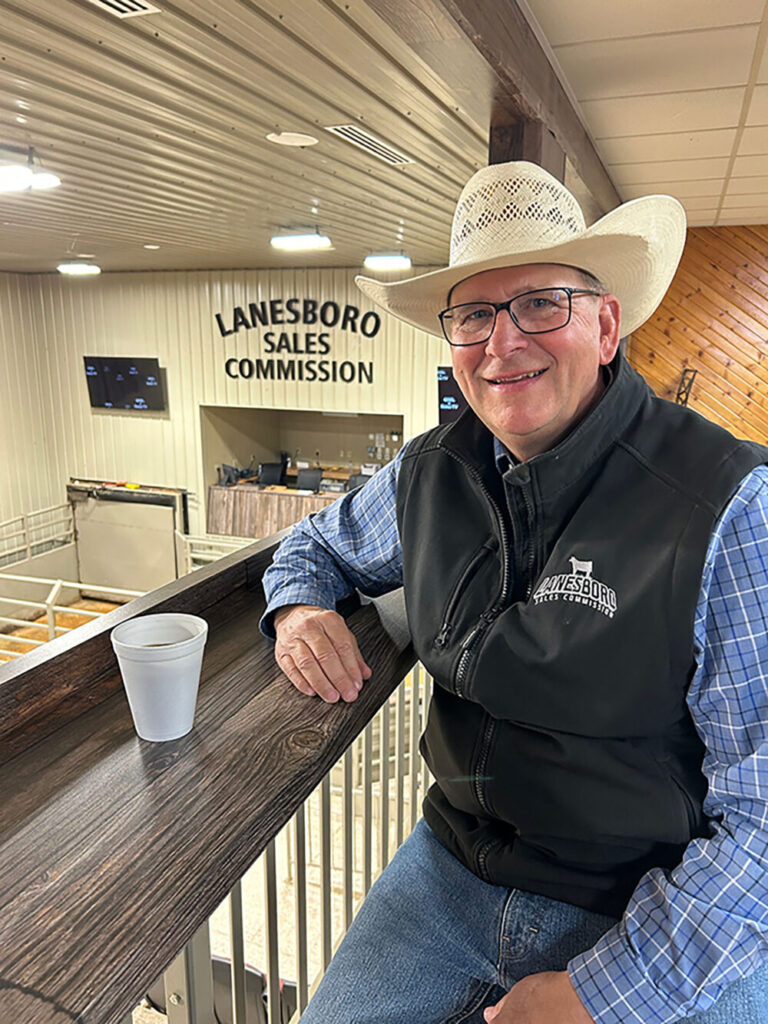
“It’s fun to see the farmers making money,” Joe shared. The Lanesboro Sales Commission is also making money which they have reinvested in the sales arena facility. “It’s fun to reinvest in the building!” Joe exclaimed. He wants to keep it in good shape for the next generation of owners. He hopes farmers will be able to upgrade and keep their investments in good shape as well.
Nelson raises Angus and Simmental cattle on a nearby farm. When asked how the farm was doing, he pointed out that his farm is diversified; everything they raise, they feed to the cattle. Input expenses such as fuel, labor, fertilizer, insurance, property taxes, outbuildings and equipment also are increasing. As an example, Nelson said the cost of a load trailer had tripled in the past two years.
Joe chuckled, “It’s easy to get rid of that check!” He noted that it was all about balance.
When asked what he felt the future held for beef prices and farmers, Nelson replied, “Nobody can predict – I thought maybe this year we’d see an increase in cow numbers. With 75% of the U.S. in drought, farmers are not expanding. Some have to liquidate some stock. With costly inputs and high interest rates, it’s hard.”
Nelson brought the conversation back to true prices through the auction. He pointed out that there’s a lot of risk for farmers in raising cattle that needs to be compensated.
”We’re in better shape than we realized,” Joe commented. The drought, slowing interest rates and market volatility make it tough to manage, however.
The Lanesboro Sales Commission brings in a lot of major packers to their sales. Tyson Foods, JBS, American Foods, National Beef and Agristar from Postville are some for the major players that support the Lanesboro Sales Commission regularly. This area in southern Minnesota is well known for supplying some of the best beef in the country.
Nelson considers the Lanesboro Sales Commission lucky to have many longtime employees who have worked for it for 50 to 60 years. It has some “really good young people” working there as well.
Demand for U.S. beef is strong – the strongest in years, according to Nelson. U.S. cattle are bigger than two years ago in 2024. Cattle weigh an average of 52 pounds more in 2026 compared to in 2024. This is the equivalent of an added supply of 1.9 million head of cattle. Nelson feels the supplies will stay tight and demand will stay strong. The southern closed border holds down incoming supply.
According to Nelson, there is a lot of future in raising beef for young people. By building a small herd, young people can build equity. Supply and demand provides incentives for people to expand. Many of the current producers are aging out of the industry.
In Nelson’s opinion, the government should stay out of the beef industry. The government competes with farmers by putting land into CPR. According to Nelson, land put into CPR often becomes overgrown, resulting in nesting waterfowl having trouble getting to water. As a result, the wildlife numbers often decrease on CPR land. He feels a way the government could help farmers would be to help pay for fences instead.
When asked if he anticipated the public changing their eating habits due to the cost of beef, Joe emphatically answered, “No!” He went on to compare yearly price increases for beef and gasoline. Fuel price increases affect the public’s pocketbooks dramatically more than beef prices. “And you aren’t going to quit driving are you?” Joe queried.
“I think of food as a national security issue – you see what happens to a country that doesn’t have food!” Nelson declared. He encouraged the public to continue to support the beef industry by continuing to include beef in their diet.
Leave a Reply