
Photo by Ellen Whalen
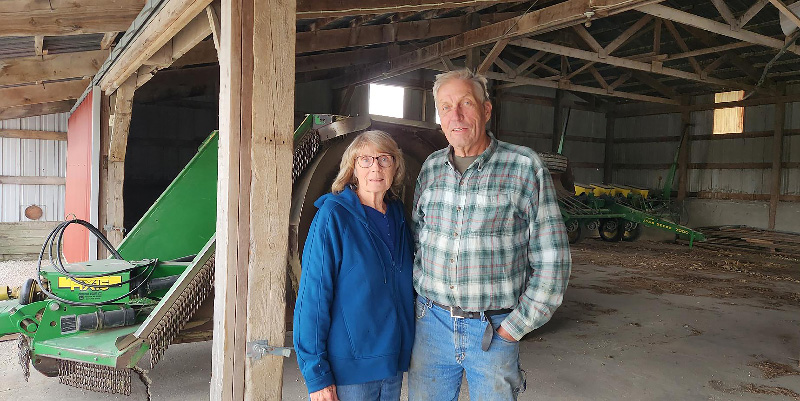
Photo by Ellen Whalen
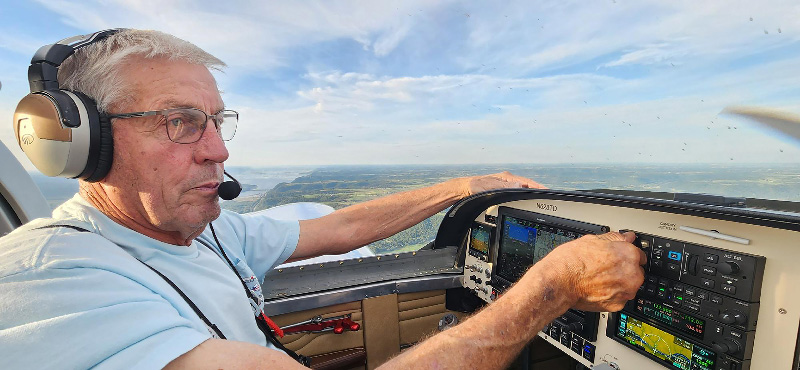
Photo by Ellen Whalen
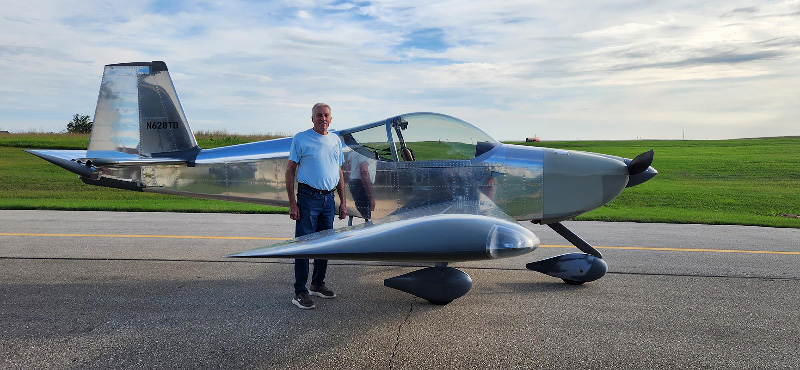
Inside a hangar at the Fillmore County airport sits the newest machine Kent Dornink has built. It is not a tractor, a planter or a combine. It is an airplane.
Dornink spent about three years building the plane, a Van’s RV-14A. It came as a kit, in crates and pieces, with binders of plans and instructions, and he put in somewhere around 20,000 rivets holding its aluminum skin together. He finished it in February and had flown it about 100 hours by September. It still wears no paint. That job waits for this winter.
Flying is nothing new to him. Dornink has flown for about 36 years, and he and his wife Judith got into it for a practical reason. Judith grew up in Nebraska, and an airplane turned the long drive to her family’s home into a flight of about two hours. Later the plane carried their two daughters on smaller errands. Every so often the family flew to Cresco, Iowa, walked from the airport to the A&W and bought ice cream. “Sometimes things you do don’t make any sense, but they’re fun,” Kent said.
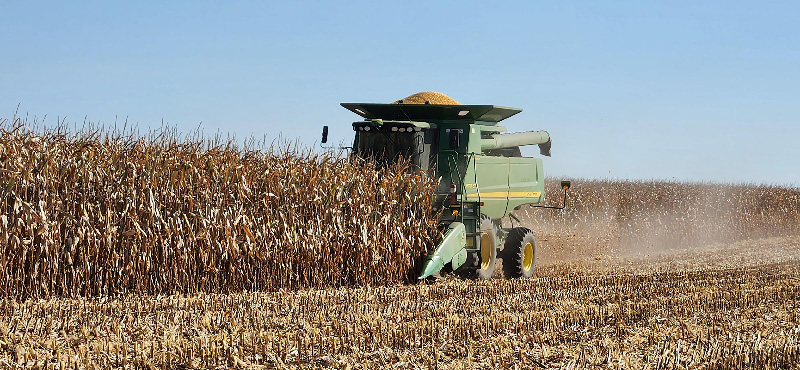
Photo by Ellen Whalen
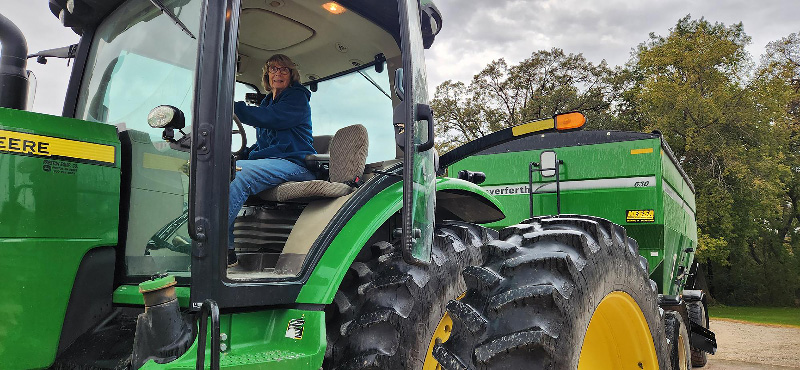
Photo by Ellen Whalen
The building of the plane, though, surprised even him. “I always said I was not a builder,” Dornink said. “But when I retired, I don’t know — how did I get into building? Just one day?” Retired, he wanted a winter project, and his heated hangar gave him a warm place to work. The job taught him a lesson anyone who works with his hands learns sooner or later. “Don’t try and power through it,” he said. “Walk away.” A problem that looked impossible at night often looked simple the next morning. The project nearly stopped once, when the airplane company went through bankruptcy, but the company reorganized and the parts kept coming.
The finished airplane cruises at about 165 knots, roughly 190 miles per hour, and it can fly about 900 miles on the fuel in its wings — farther than most riders care to sit in one stretch. It can fly on instruments when the weather turns, and an autopilot eases the work in the clouds. To Kent, though, it is not a toy. “It is more than a hobby,” he said. “It’s a mode of transportation.” Their daughters live in Ames, Iowa, and Pemberton, Minnesota, and the plane still shortens the trip to family and two granddaughters.
That practical view of machinery grew out of a lifetime on the land. Kent began farming with his father in 1973, when his father sold him an interest in livestock and equipment. He and Judith built the operation together, on borrowed money. “We had borrowed every single penny to start that farm, even the down payment,” Kent said. Judith’s teaching pay steadied the young farm. On the farm, she did far more than run for parts. She ran equipment, worked livestock and cooked for hired help. “She’s done everything,” Kent said.
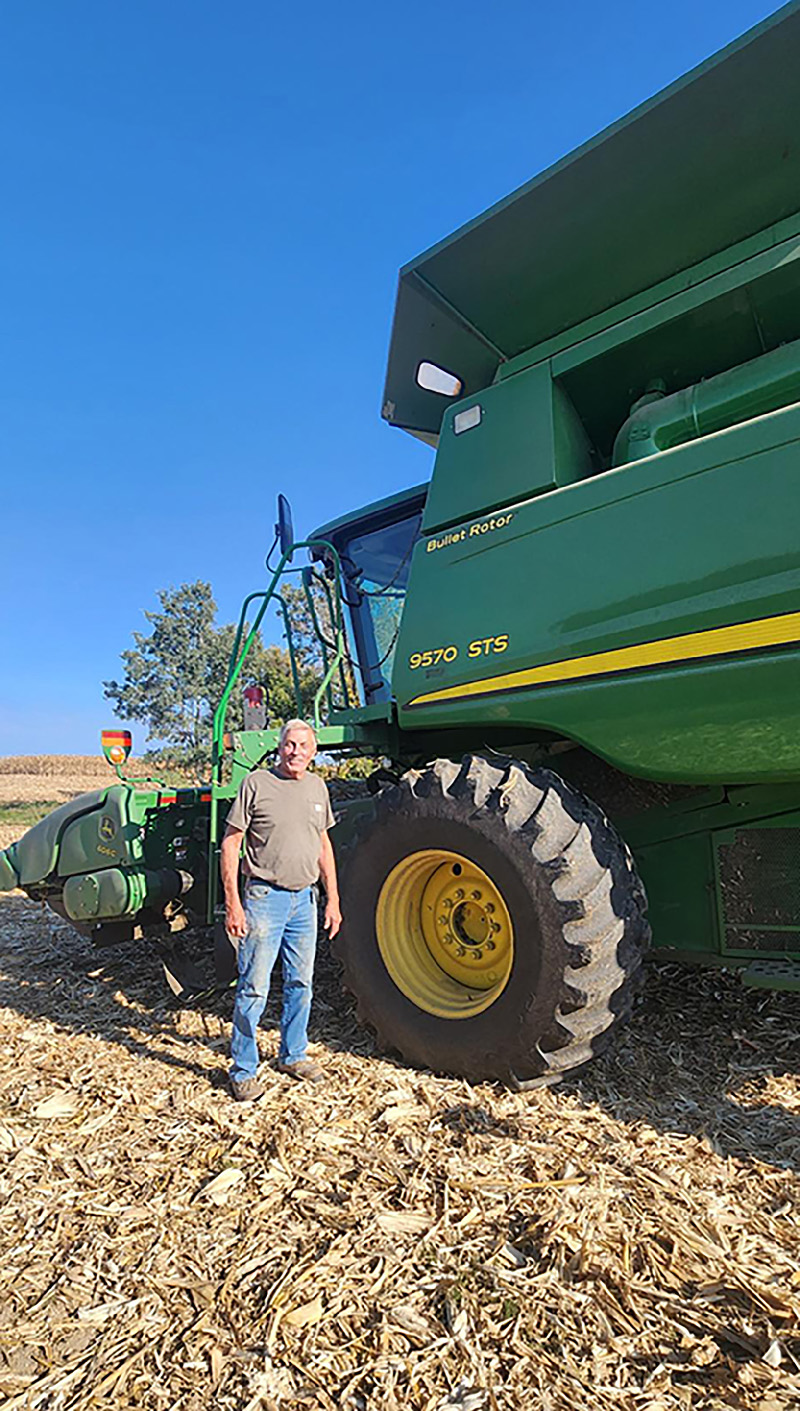
Photo by Ellen Whalen
They milked cows at first, but Kent never liked a schedule set by cows. Hogs and cattle followed, and livestock stayed on the farm until 2019, when the daily labor finally got to be enough. Today Kent farms about 440 acres of crops. He calls himself retired, loosely — he hires out work he once did himself, like spraying, and the machines have changed more than he has. “My combine and my tractor — they drive themselves,” he said. Screens in the cab watch the seed depth and spacing while guidance steers the tractor. He plants into last year’s stalks instead of plowing the ground bare, saving the soil on his hills. “Soil is actually alive,” he said.
Harvest still gets to him. “It’s a bittersweet moment when you get done with that harvest,” he said. “You want that last round, but you’re kind of sorry to see it come.”
Asked to name his greatest accomplishment in more than 50 years of farming, Kent looked across the hangar at the airplane he built. Then he thought better of it. “Finding a girl from Nebraska,” he said, “that she said yes — to move up to the Great White North and marry me.” Judith answered in kind. “Being fortunate to be with him,” she said.
Leave a Reply